
Referring Physicians
Patient Help Center
Dispensary
Pay Here
Committed to providing high-quality, comprehensive and integrated urologic care for over 130 years
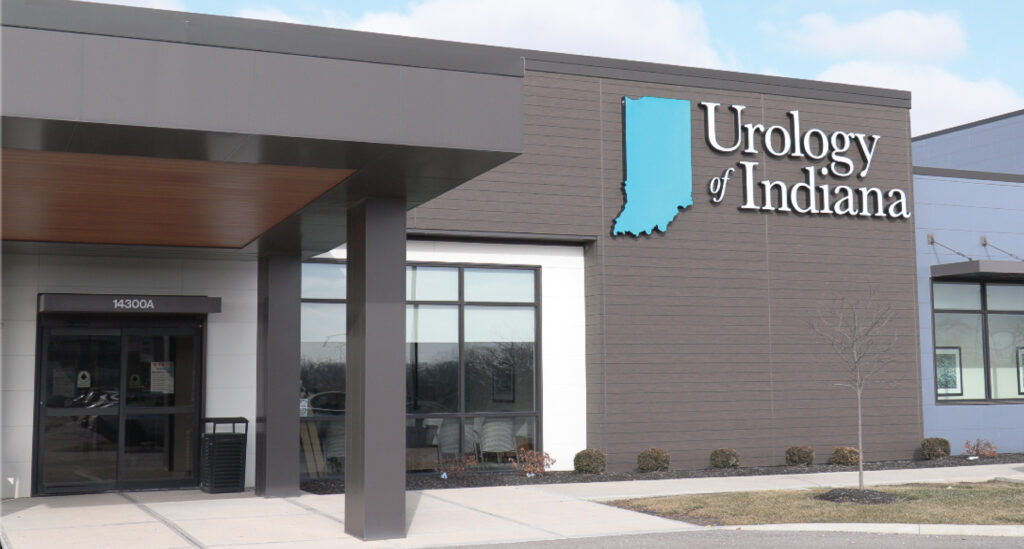
Our Mission is Simple…
• Provide Leading-Edge Services
• Deliver Excellent Care
• Prioritize Patient Satisfaction
Patient-Focused Comprehensive Urologic Care
The Urology of Indiana team is committed to delivering compassionate, patient-focused, comprehensive urologic care.
Meet Our Care Team
Our board certified physicians stay current on the latest advances in urological care and are leaders in bringing new technology and treatment options to Indiana.
Latest News
-
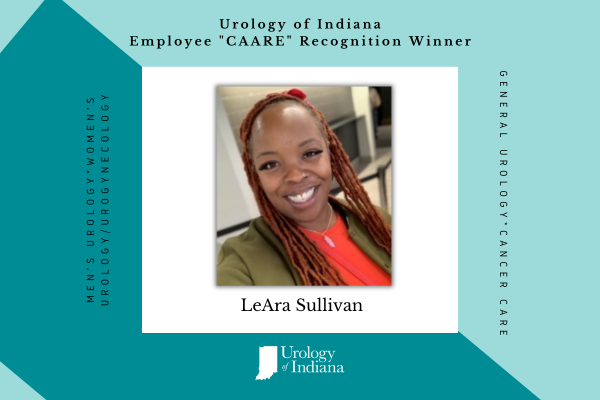
Urology of Indiana Recognizes Employee CAARE Recognition Winner, LeAra Sullivan
Urology of Indiana recently announced our quarterly CAARE Recognition winner. This Program reflects our core values: Compassion, Adaptability, Accountability, Respect, and Excellence. While we strive…
-

Urology of Indiana Webinar May 14th, 2024: Urinary Incontinence and Erectile Dysfunction
If you’re living with Erectile Dysfunction (E.D.) or Urinary Incontinence/Bladder Leakage, you are not alone, and we can help. If you’ve tried treatments that have…
-

Vasectomy Procedures Performed At Urology of Indiana
Now is a great time to schedule your Vasectomy. Vasectomies at Urology of Indiana are simple and typically take only about 15 minutes. Soon after,…

Careers
If you are interested in a career at our practice you can visit our Careers Page.
Contact Us
Have a question for us? Call one of these phone numbers, or complete our contact form below.